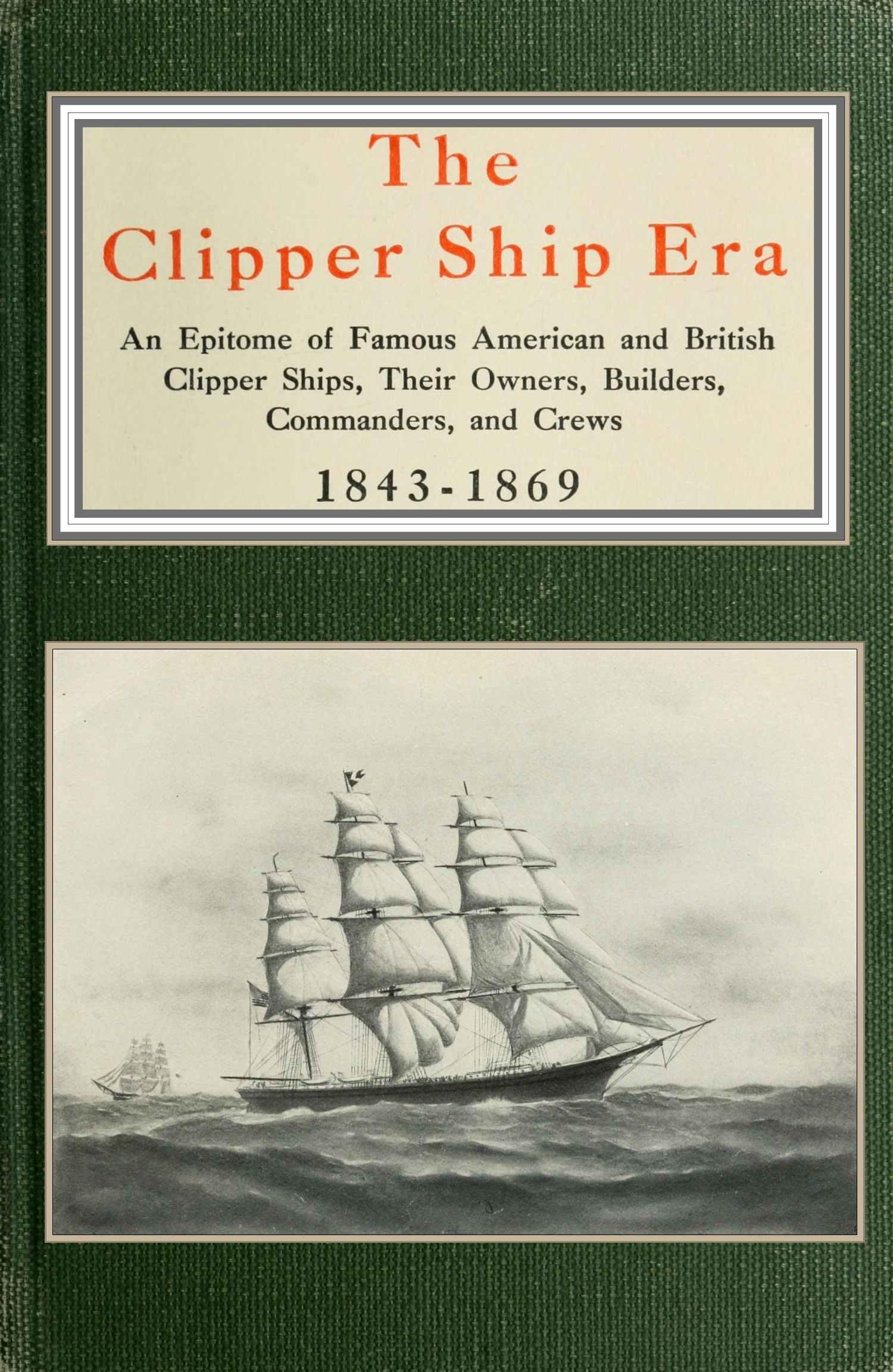
Breaching the waves and defying the tempests, the Joseph S. Fay stood as a testament to the nautical prowess of the 19th century. Built in 1871, at a time when the iron ore trade was burgeoning, this wooden steamer emerged from the celebrated Quayle & Martin shipyard in Cleveland, Ohio. It exemplified the new age of Great Lakes freighters destined to navigate the sprawling inland seas of North America.
The Voyage of the Fay and Rhodes
The Joseph S. Fay was renowned not just for its robust build but also for its inseparable bond with the schooner D. P. Rhodes, essentially functioning as part of a maritime duo for over three decades. Bearing the signature Bradley livery — vibrant green hulls, pristine white rails, and blazing red stacks — they charted courses laden with precious cargo.
A Fateful Journey

But as is the case with many maritime tales, Mother Nature's fury can reshape destiny. It was October 19, 1905, when the Fay, with the Rhodes tethered to its fate, ventured forth from Escanaba, Michigan. Their destination was Ashtabula, Ohio, yet they were destined never to reach it. With iron ore filling their holds, the vessels cleaved through Lake Huron, hugging the coast for protection against an impending maelstrom.
The Storm's Wrath
All seemed under control until an abrupt shift in the winds allowed chaos to board. The Fay was mercilessly dragged toward an unforgiving shore, its towline strained to its limits. Just as all hope seemed lost, the Rhodes broke free, taking with it a piece of the Fay's very essence. Alone and battered, the Fay fought back, only to succumb to the icy waters as its beleaguered hull flooded, its own engine succumbing to the deluge.
The Final Moments
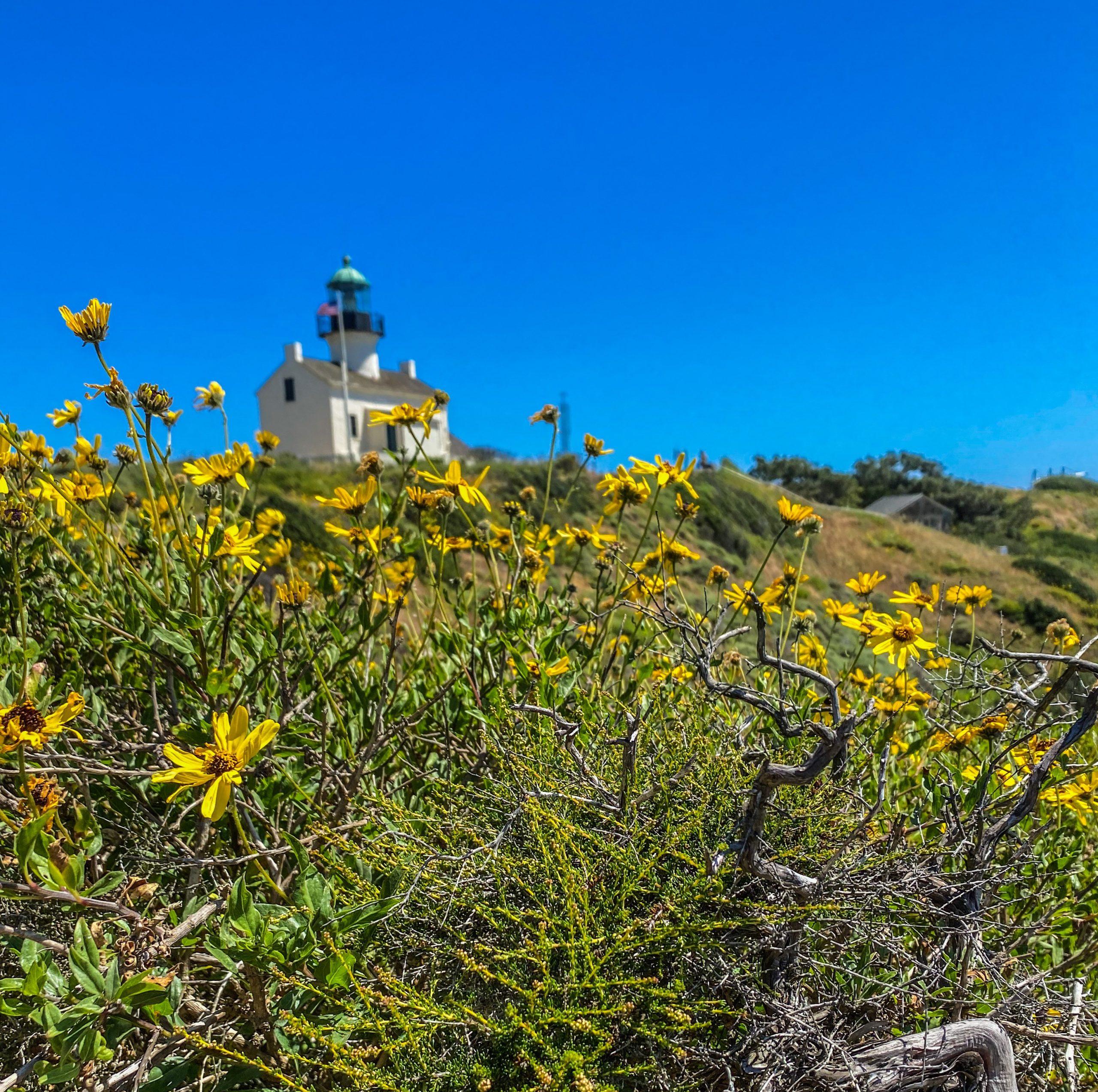
Cramped within the anxiously waiting forward cabin, the crew braced for the inevitable. The captain, in a desperate attempt to salvage the lives onboard, steered toward 40 Mile Point Light Station. The ship collided with a sandbar, dislodging the forward cabin and sending it adrift towards the sands of salvation, where most of the crew emerged alive — one reportedly roused from slumber only after reaching land. But tragedy lingered as the first mate and two others clung to the wreck, fighting fiercely but in vain against the vicious cold.
Statistics and Legacy of the Joseph S. Fay
By modern standards, the Fay's construction might seem modest, yet its crafting was at the pinnacle of contemporaneous maritime engineering. Costing $80,000.00, its gross tonnage of 1,200 and dimensions of 216 feet in length, 34 feet wide, and 15 feet deep embodied a formidable seafaring behemoth. The engines from Cuyahoga Iron Works powered this majestic vessel. Despite various upgrades over the years, the Fay’s design remained fundamentally unchanged until its demise.
Shipwreck Site as a Tourism Attraction
Today, the Joseph S. Fay's final berth beneath the shallow waves off 40 Mile Point stands as an enigmatic relic, inviting the curious and the adventurous. By visiting 40 Mile Point Light Station and strolling up the beach, one can witness the remnants of the once-mighty steamer's wooden side, where rusted metal rods and spikes still cling to the sands of time.
In the quiet of the beach, through the whisper of the waves, echoes of the past invite discovery. The Joseph S. Fay's story, while a poignant illustration of the Great Lakes shipping era's peril, also beckons as a unique draw for those seeking to intertwine travel with the allure of history and the solemn beauty of a resting leviathan. It is a journey not just across the sands but through time itself.
Grand Rapids
- Woodspring Suites
- Embassy Suites Grand Rapids
- Country Inn And Suites Grand Rapids
- Sheraton Grand Rapids
- Holiday Inn Downtown Grand Rapids
Traverse City
- Hotel Indigo Traverse City
- Cherry Inn
- Cambria Hotel Traverse City
- Quality Inn Traverse City
- Hampton Inn Traverse City